


Debt can be crippling. Many in Sacramento are living with debt. And the situation is worsening. But how do you get out of debt? This recent news story offers tips to relieve your debt dilemma. But the options offered presume you have the money to, at minimum, pay down your debt. What do you do when you don't have the income to do that?
Bankruptcy OptionsBankruptcy is an option when you cannot afford the debt you have. Filing bankruptcy allows you to discharge your debt. This means your debt can be eliminated. Typically people who file bankruptcy can retain their property and still get out of debt. There is often nothing to lose. Credit is impacted by filing bankruptcy, but so is debt itself. That's where bankruptcy comes in.
When you have too much debt, something needs to be done. If you don't have the money or resources to get out of debt, the problem can only worsen. Bankruptcy is a way to get out of debt. Bankruptcy offers credit relief to those who cannot afford their debt. If you can pay your debt, even if only a portion of it, bankruptcy law requires you do so. For those who can't pay their debt, a bankruptcy discharge is often the best solution.
Though bankruptcy impacts your credit negatively, the elimination of debt is helps it. If the elimination of your debt is more beneficial than a bankruptcy filing is negative, bankruptcy should be considered. Filing bankruptcy is better done sooner than later. That's because living in debt often is worsened by going further in debt to relieve your other debt. It is a nasty spiral, and it can't be sustained.
If you are living in more debt than you can pay, I invite you to contact my office for a free consultation to evaluate your options.


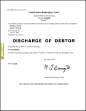 Not everyone is eligible to file bankruptcy. But those who are can eliminate, or discharge, their debts thought a bankruptcy filing. Limitations exist that may prevent some from filing bankruptcy and receiving a bankruptcy discharge. These impediments to a bankruptcy discharge may be previous bankruptcy filings, excess income or too much property. If eligible, though, a bankruptcy discharge order will result from a bankruptcy filing and successful case completion.
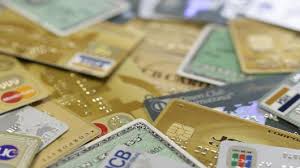 Eliminating credit card debt is the ideal solution to excess credit card debt. But that is easier said than done. Trimming expenses, paying your debt down faster and tapping your savings are all options to decrease your debt. These are great ideas. But not if they won’t work for you. Maybe your expenses are already shaved to the bone. Perhaps you can’t pay your debt off any faster. And what if you have no savings? If so, credit card debt elimination in bankruptcy may be your best bet.
 Though bankruptcy is an initial negative on your credit after you file, discharging your debts at the conclusion of your bankruptcy is a big benefit. How big that benefit is to you depends on the amount of debt your discharged, or eliminated. By weighing the cost of the bankruptcy impact versus the discharged debt is the essential evaluation of whether to file for bankruptcy. If you have big debt and little income, bankruptcy may be a good option for you. If, though, your debt is not too great and your income enough to handle that debt, maybe bankruptcy is not your best bet. Every situation is different.
 When it comes to debt, beware is often overlooked. Too frequently debt plays too intimate a role in our daily lives. And so with it goes the cost. The costs of debt to consumers can be crippling. And often it is. What, then, to do?
 It is common for people to be overpaid by the EDD and SSA for unemployment and other benefits. Millions of people file for and receive such benefits. Instruction and oversight covering the application for these benefits, though, is slight. Sometimes the money paid does not match the benefits earned. When the EDD or SSA finds out, debt can result. The EDD even has a link on their website concerning overpayments. But again, bankruptcy can discharge the overpayment of unemployment and Social Security Benefits.