


Dischargeable Debt
Dischargeable debt. What does that mean? Debt needs no definition. But dischargeable does. Dischargeable debt is debt that can be discharged by law. This means that the debt is eliminated. Normally this is done though the filing of bankruptcy. And once discharged, the debt can no longer be collected upon.
The reason people file bankruptcy is that they cannot afford to repay their debts. Filing bankruptcy allows their debts to be discharged. When a bankruptcy case is completed, a discharge is ordered. This means he bankruptcy judge issue an order. The order declares the debt is legally discharged. This means it is no longer owed. But only dischargeable debt can be eliminated. Or discharged.
 Most forms of debt are dischargeable. But some are not. The most common forms of debt that are dischargeable include credit card debt, medical bills, car repossessions (or surrenders), foreclosures, past-due rent, social security and unemployment overpayment, and more. These are all types of dischargeable debt. They can all be eliminated through the filing of bankruptcy.
Some debts, though, are not dischargeable. Certain types of taxes are not dischargeable. For example, sales tax and employee withholding are types of debt that may not be
 Ambulance bills, once considered covered by insurance, no longer were for many new medical insurance policies. An extra $1,500.00 for an unanticipated health emergency could soon result in a financial emergency. Medical bill relief for many became a must.
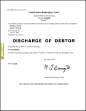 Not everyone is eligible to file bankruptcy. But those who are can eliminate, or discharge, their debts thought a bankruptcy filing. Limitations exist that may prevent some from filing bankruptcy and receiving a bankruptcy discharge. These impediments to a bankruptcy discharge may be previous bankruptcy filings, excess income or too much property. If eligible, though, a bankruptcy discharge order will result from a bankruptcy filing
 Often consumers want to repay part of their debt. Though a bankruptcy discharge of
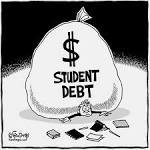 College costs have exploded and, along with it, debt. College degrees, once considered financial bedrock, have not held their value compared to their costs. If your graduate from college you should earn more. Right? Often this is not so. At least when it comes to the inflated costs to get the degree. Earning $1,000 more per month does little good if that comes with a lifetime debt of $1,200 per month. The math doesn’t make sense. Perhaps, then, now is the time to evaluate whether you should be able to discharge