


Can you discharge student loan debt? Maybe. Ordinarily student loans cannot be discharged through bankruptcy. Meaning that student loan debt cannot be eliminated through a bankruptcy filing and discharge. Other types of debt can be discharged, or eliminated, in bankruptcy. But not student loans. Usually, that is.
Student loans are on the rise. The cost of college has risen way beyond the ability for almost anyone to afford it without the aid of debt. That debt is normally backed by the government. If you don't pay the lender, the government will. This, then, is why student loan debt is not normally discharged. But there are some ways to discharge student loan debt. Not a lot, but some.
To discharge student loan debt in bankruptcy typically takes a showing of extreme hardship. Loss of a job is usually not enough. More is needed. Or at least more has been needed. With the increased debts former students face, the loans themselves are becoming hardships themselves. Times are changing. Often times student loans are the reason why may need to file for bankruptcy.
To not discharge student loan debt would defeat the purpose of many bankruptcy filers. That is why there a movement
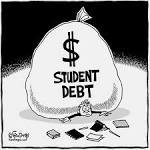 College costs have exploded and, along with it, debt. College degrees, once considered financial bedrock, have not held their value compared to their costs. If your graduate from college you should earn more. Right? Often this is not so. At least when it comes to the inflated costs to get the degree. Earning $1,000 more per month does little good if that comes with a lifetime debt of $1,200 per month. The math doesn’t make sense. Perhaps, then, now is the time to evaluate whether you should be able to discharge
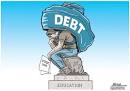 Even if you could establish the necessary hardship to eliminate your student loan through a bankruptcy filing, there is more you would have to