
Sacramento bankruptcy & injury law blog

Stay informed with the James Keenan Law Blog, where you’ll find helpful insights on personal injury law, legal tips, and updates that matter to you. Learn your rights, understand the legal process, and get expert guidance to help you make confident decisions after an accident.

Student Loan Bankruptcy

Student Loan Bankruptcy

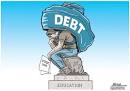
You can have student loans, and you can file bankruptcy. But getting rid of a student loan though bankruptcy is a tough trick. Not that you can’t do it. But eliminating student loans in a bankruptcy is hard. Perhaps I should say hardship. That, though, is what it takes to discharge student loans through bankruptcy. Showing of hardship is the key to allowing a student loan to be discharged in bankruptcy.

The type of hardship to eliminate a student loan in bankruptcy goes way beyond basic hardships of life. Losing your job likely won’t do it. Losing your ability to work might. Workplace injury probably not. Paralysis maybe. You get the point. It takes a significant showing of hardship to discharge student loans. In a recent news article, the Supreme Court denied a possible appeal to the rules of student loan debt and bankruptcy. By denying the hearing, the Supreme Court let stand the lower court’s findings of law. The hardship analysis touched on here is laid out in detail in the story.
student debtEven if you could establish the necessary hardship to eliminate your student loan through a bankruptcy filing, there is more you would have to

Read more

Mortgage Strip-Off in Bankruptcy

Mortgage Strip-Off in Bankruptcy

A mortgage is a secured debt. If it is not repaid, the property securing the debt can be taken back by the lender. Typically a foreclosure results when the mortgage is not made. Foreclosures are addressed in other areas of this website. Suffice it to say for this topic, though, foreclosure is the process of selling your home to satisfy the debt you didn’t pay. But a mortgage can also be stripped off in a bankruptcy.

Bankruptcy can stop a foreclosure. It can prevent your home from being sold. If you want to keep your home, you will still have to pay your mortgage even if you file for bankruptcy. But bankruptcy can buy you time. It can allow you the time you need, up to five years, to get current on your mortgage. And as long as you make your bankruptcy payments, your home is protected from your bank or mortgage company.

You can also eliminate, or strip off, a mortgage through a bankruptcy. But you must establish that the loan is entirely unsecured. What this means is that the security, or collateral, for your mortgage loan is no more. Usually such a scenario results

Read more

Sacramento Bankruptcy: What is a Bankruptcy Conversion?

Sacramento Bankruptcy: What is a Bankruptcy Conversion?

Bankruptcy conversion is changing the chapter of your bankruptcy filing after you have already filed. Types of bankruptcy are organized by chapters of the federal law that created them. Though there are many types of bankruptcy chapters, the most common for consumers are Chapter 7 and 13. Other areas of this website address all of the differences between Chapter 13 and 7 bankruptcies. But for this issue, suffice it to say that you repay at least some of your debts in a Chapter 13 (bankruptcy reorganization), but none in a Chapter 7 (bankruptcy liquidation).

If you file for one type (or chapter) of bankruptcy and, later, decide to do another before your case is complete, you can convert your bankruptcy. This means that you change your case from one form of bankruptcy filing to another without having to refile your case. Much of the information in your new bankruptcy chapter will have to be provided after you convert. But you won’t have to refile another case to do it.

floatRefiling a bankruptcy often comes with a penalty. To prevent people from filing too many bankruptcies, particularly in quick succession, Congress imposed restrictions on

Read more

Bankruptcy Credit Counseling

Bankruptcy Credit Counseling

Bankruptcy credit counseling is a requirement of the bankruptcy system. It mandates that someone who files bankruptcy must undergo credit counseling before filing bankruptcy and, again, after filing but before the bankruptcy is discharged. It is not difficult to do, nor is it expensive. But it must be done.

Unless bankruptcy credit counseling is obtained before filing, you are not eligible to file. And if you don’t get a second credit counseling session after you file, you won’t receive a discharge. It is a must in the bankruptcy filing process since Congress imposed it as a requirement in 2005.

The purpose of pre-filing bankruptcy credit counseling is to alert consumers to possible bankruptcy alternatives before they file. Almost never, though, are other options besides bankruptcy recommended in the counseling process. That’t because people filing bankruptcy cannot afford their debts, which is why they have begun the bankruptcy process. But if they could, bankruptcy credit counseling could reveal that possibility. Even if you know bankruptcy is your only option, you must still undertake pre-filing bankruptcy credit counseling.

signpostAfter you have filed, but before your case can be concluded with a discharge, you must take a second credit counseling
Read more

Page 9 of 17